
AI & Procedural Systems
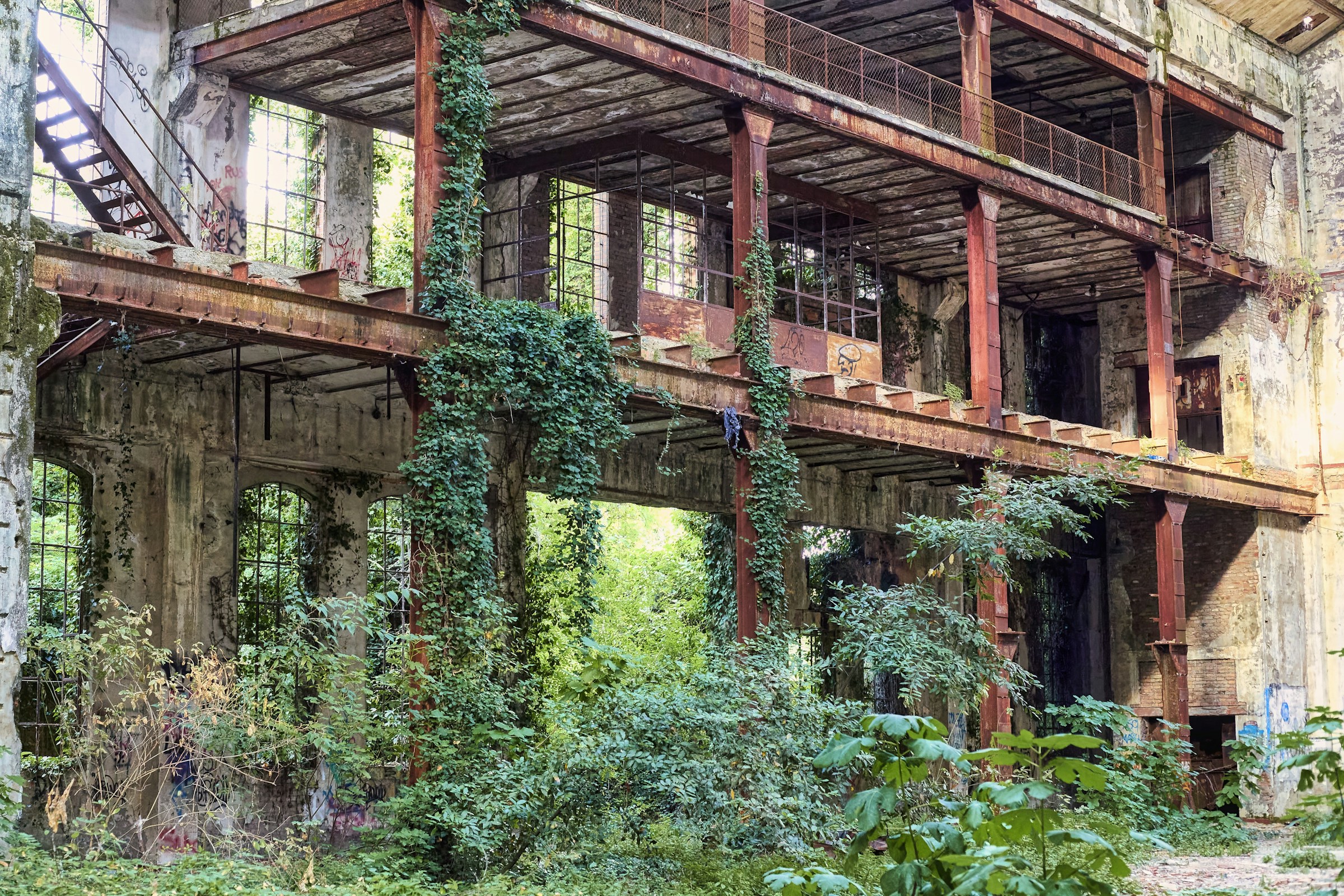
Can procedural assistance expand a production-ready world without weakening authorship, traceability, or performance?
Review this research area→INVIOX / Research
Three applied research areas connect production technology with human experience and the long-term meaning of virtual places.
On this page
01 / Research
Each area begins with an unanswered question, a study design, measurable evidence, and a commitment to publish limitations as clearly as outcomes.
Can procedural assistance expand a production-ready world without weakening authorship, traceability, or performance?
Review this research area→Which sensory and behavioural conditions make a person respond to a virtual environment as a real place?
Review this research area→Can a virtual place carry readable history and become more meaningful because it remembers what happened there?
Review this research area→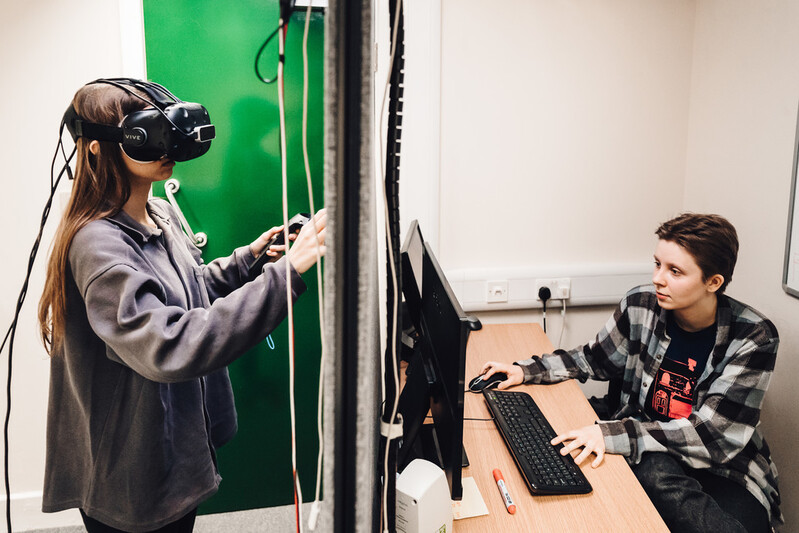
02 / Research
The Institute does not present a future idea as a completed discovery. Every programme moves through a visible research process.
State what would count as evidence, failure, harm, and a useful outcome before producing the prototype.
Hold the brief and constraints steady, change only the factor being studied, and document every intervention.
Share methods, negative findings, production costs, protections, and the conditions under which the conclusion does not apply.
03 / Research
How findings are documented, challenged by practitioners, and translated into teaching or production.
Selected production questions and lessons translated into educational research.
→02Technical breakdowns, public sessions, production notes, and invited conversations.
→03Explore structured briefs, talent discovery, expert participation, and applied R&D.
→